
Are you assuming that the physical and hormonal changes you experience after the age of 40 are simply a normal part of ageing? Unfortunately, some women are not fully aware that these changes may sometimes indicate underlying health conditions that require medical attention. You can avoid many health complications with a preventive health checkup for women, which helps detect conditions such as breast cancer, cervical cancer, diabetes, thyroid disorders, osteoporosis, and high blood pressure at an early stage. By understanding the importance of health screening for women over 40, you can recognise the warning signs early and take proactive steps to receive timely treatment.
At Punya Hospital, under the expert guidance of Dr Punyavathi C. Nagaraj, women receive comprehensive evaluations and personalised healthcare solutions tailored to their individual needs. If you are looking for a women's health checkup in Basaveshwara Nagar, Bangalore, consult the specialists at Punya Hospital for comprehensive care focused on prevention, early diagnosis, and long-term wellness. Through this blog, we aim to raise awareness about the essential health screenings for women over 40 and the importance of choosing our hospital for women's health checkups in Basaveshwara Nagar, Bangalore.
Screening plays an important role in preventive healthcare by helping detect potential health problems at an early stage, often before symptoms appear. Below, we will discuss some of the most important screenings every woman should consider as part of her routine healthcare.
Breast cancer is one of the most common cancers affecting women worldwide. The following breast cancer screening methods can help detect abnormalities at an early stage:
Importance of Self-Breast Examination : You should perform regular self-breast examinations. Becoming familiar with the normal appearance and feel of the breasts can help identify unusual lumps, skin changes, or nipple abnormalities that require medical attention.
Mammography Recommendations : Mammogram screening is a valuable tool that helps you detect breast abnormalities before your symptoms develop. If you are over 40, you should discuss mammography schedules with your healthcare provider based on personal risk factors, family history, and overall health. Regular mammogram screening can help you identify breast cancer at an early and more treatable stage.
Cervical cancer screening plays an important role in protecting your reproductive health. The key components of cervical cancer screening include:
Pap Smear and HPV Testing : Pap smear tests detect your abnormal cervical cells, while HPV testing identifies infection with high-risk strains of the human papillomavirus that may increase the risk of cervical cancer.
Recommended Screening Intervals : The frequency of cervical cancer screening depends on your age, medical history, and previous test results.
Maintaining strong bones becomes increasingly important after 40, particularly during and after menopause. The following measures can help assess and protect your bone health:
Osteoporosis Risk : After menopause, declining estrogen levels can accelerate your bone loss, increasing the risk of osteoporosis and fractures. You may not notice symptoms until a fracture occurs.
Benefits of Early Detection : A bone density test for women helps you assess bone strength and identify osteoporosis at an early stage. Early diagnosis allows your healthcare providers to recommend lifestyle changes, nutritional support, and treatment options to maintain bone health.
Hormone Replacement Therapy (HRT) and Supplements : Depending on your body's needs, calcium and vitamin D supplementation may be recommended, and Hormone Replacement Therapy (HRT) may be considered for you to help reduce bone loss and support long-term bone health after menopause.
Blood pressure monitoring is a simple but essential screening that helps protect cardiovascular health. Important aspects of blood pressure monitoring include:
Preventing Heart Disease and Stroke : High blood pressure increases your risk of heart attacks, strokes, kidney disease, and other serious complications. Since hypertension often develops without symptoms, routine monitoring is crucial for you.
Frequency of Screening : You should have your blood pressure checked regularly during routine health checkups. More frequent monitoring may be recommended for you if you have risk factors or previously elevated readings.
Home Blood Pressure Monitoring (HBPM) : Home Blood Pressure Monitoring (HBPM) allows you to track your blood pressure between medical visits. Consistent HBPM readings can also provide valuable information for healthcare providers when making treatment decisions.
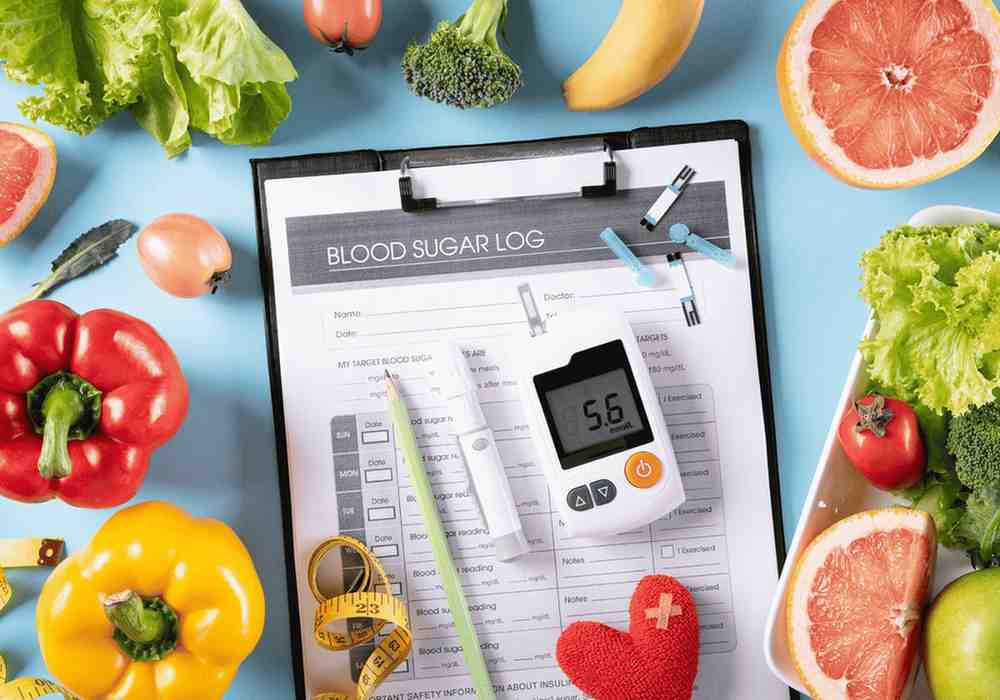
The risk of Type 2 diabetes increases with age and lifestyle-related factors. Key points to understand about diabetes screening include:
Risk Factors and Warning Signs : Common risk factors include obesity, physical inactivity, family history, and high blood pressure. Warning signs may include excessive thirst, frequent urination, fatigue, blurred vision, and unexplained weight changes.
Blood Sugar Testing Recommendations : Scheduled blood sugar testing helps you identify diabetes and prediabetes early. Early diagnosis allows you to adopt healthier habits and receive treatment before complications develop.
Cholesterol screening is an important part of cardiovascular disease prevention. The following assessments can help evaluate your cardiovascular health:
Cardiovascular Health Assessment : A lipid profile measures your cholesterol and triglyceride levels in the blood. These values help you assess the risk of heart disease and stroke.
Managing High Cholesterol : If cholesterol levels are elevated, lifestyle modifications such as a healthy diet, regular exercise, weight management, and medication can help you reduce cardiovascular risks.
Thyroid disorders commonly affect women and can significantly impact overall health. Important considerations regarding thyroid health include:
Common Thyroid Disorders in Women : Conditions such as hypothyroidism and hyperthyroidism become more common with age. These disorders can affect metabolism, energy levels, mood, and weight.
Symptoms That Require Evaluation : You should consider thyroid testing if you experience persistent fatigue, unexplained weight changes, hair thinning, dry skin, mood swings, or sensitivity to temperature changes.
Effects on Reproductive Health : Thyroid disorders can also affect your reproductive health, leading to irregular menstrual cycles, fertility issues, and complications during pregnancy if left untreated. Thyroid imbalances may also be associated with conditions such as PCOS (Polycystic Ovary Syndrome), which can further contribute to hormonal irregularities and reproductive challenges.
Eye health should not be overlooked after the age of 40. The following eye care recommendations can help maintain healthy vision:
Age-Related Vision Changes : You may experience difficulty reading small print, eye strain, or reduced visual clarity as you age above 40. Timely eye examination is needed for your eye health.
Importance of Regular Eye Checkups : Routine eye examinations can help you detect conditions such as glaucoma, cataracts, diabetic retinopathy, and age-related macular degeneration before they cause significant vision loss.
Colon cancer screening is an important preventive measure for women over 40. Several screening options are available to help detect colon cancer early, including:
Colonoscopy and Other Screening : Several screening methods are available, including colonoscopy, stool-based tests, and imaging studies. The most appropriate option depends on your risk factors and physician recommendations.
Recommended Age and Frequency : Healthcare providers recommend screening schedules based on your age, family history, and overall health status. Regular screening improves your chances of detecting colon cancer early when treatment is most effective.
Routine health checkups play a vital role in the early detection and prevention of various health conditions. Scheduling an annual screening for women helps identify concerns such as high blood pressure, diabetes, thyroid disorders, osteoporosis, and certain cancers before symptoms develop. The following healthy habits can support long-term wellbeing and healthy ageing:
Balanced Nutrition : A healthy diet rich in fruits, vegetables, whole grains, lean proteins, and calcium-rich foods supports overall health and helps you reduce the risk of chronic diseases.
Regular Exercise : Physical activity strengthens your muscles and bones, supports heart health, improves mood, and helps maintain a healthy weight. You should aim for regular exercise as part of your daily routine.
Stress Management : Managing stress through yoga, meditation, breathing exercises, and relaxation techniques can improve your emotional well-being and overall health.
Adequate Sleep : Getting seven to eight hours of quality sleep each night supports your immune function, hormonal balance, mental health, and physical recovery.
Seeking expert medical guidance at the right time can significantly improve your long-term health, well-being, and quality of life. The following symptoms may indicate the need to consult a gynecologist:
Unusual Bleeding : If you have any abnormal vaginal bleeding after menopause or between menstrual cycles, it should be evaluated promptly.
Missed or Irregular Periods : Missed periods, significantly delayed menstrual cycles, or sudden changes in menstrual patterns should be assessed by your healthcare provider. These changes may be related to hormonal imbalances, thyroid disorders, polycystic ovary syndrome (PCOS), perimenopause, pregnancy, or other underlying medical conditions.
Persistent Pelvic Pain : Ongoing pelvic pain should never be ignored by you, as it may indicate underlying gynecological conditions such as PCOS/PCOD, endometriosis, ovarian cysts, fibroids, or pelvic inflammatory disease that require timely evaluation and management.
Menopausal Symptoms : Severe hot flashes, sleep disturbances, mood changes, or other menopause-related symptoms may warn you that you require medical guidance and treatment.
We hope this blog has helped you understand the importance of regular health screenings after the age of 40. Protecting your health starts with an annual screening for women, which can help detect health conditions early, manage risk factors, and maintain long-term wellness. If you are looking for expert guidance on preventive healthcare and age-related health screenings, consult Dr Punyavathi C. Nagaraj at Punya Hospital for comprehensive evaluations, personalised recommendations, and compassionate care.
Prioritise Your Health Today for a Healthier Tomorrow.



sunita rao
How I got rid of human papillomavirus HPV with natural treatment. i was diagnosed with this virus for 5 years i broke up with my boyfriend because i contracted the virus from him, luckily i found a herbalist name Dr. Ogedegbe everyone testify good of his natural treatment i picked up his address and contacted him. he truly treated me with natural herbs in a week and i got cured. I share this post because ever since I got this treatment I'm perfectly ok with my health, you can get contact with him through his email address dr.ogedegbe6@gmail.com or whatsapp +2349121737553.